Weeks before booking — ask for a medical conversation Departure and the return-home period — From First Inquiry to Home Recovery - Planning Hair Transplant Travel
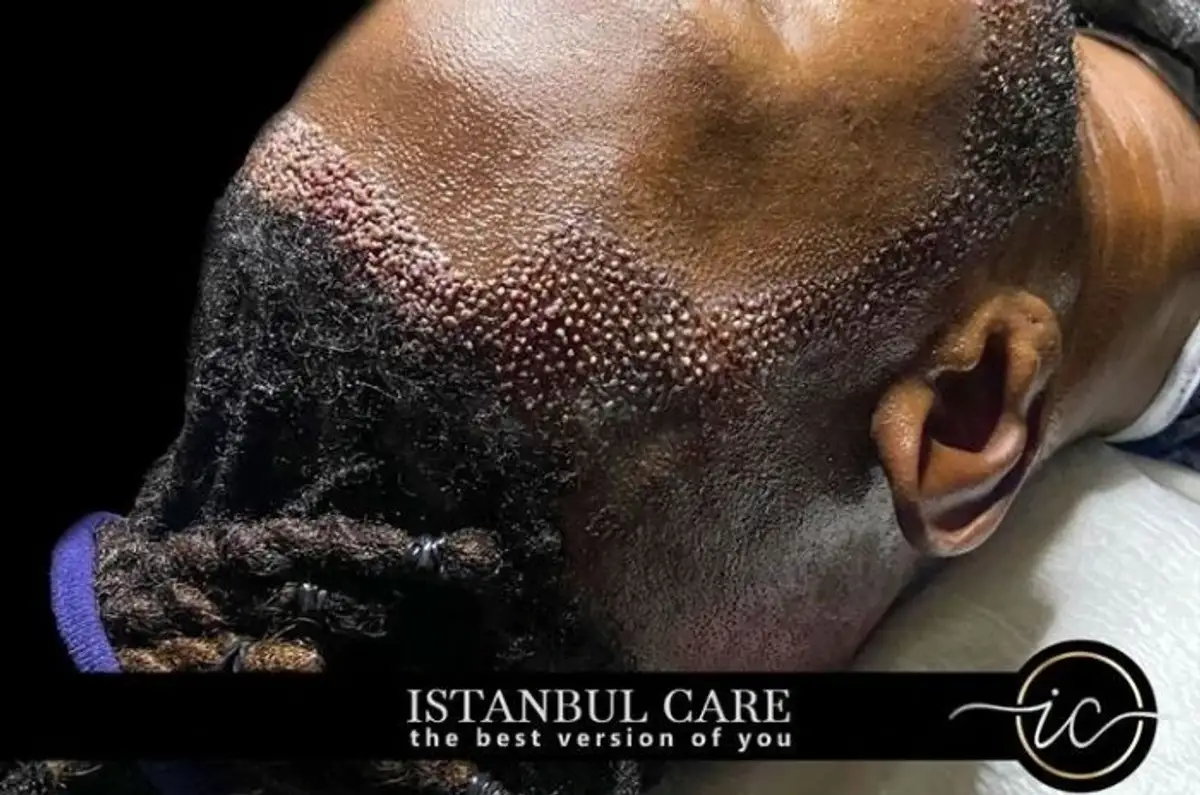
A good timeline starts before a flight search. Write down what has changed about your hair, how long the change has been noticeable, and what result you hope to see. Include any previous treatment and relevant medical history. The first inquiry should ask whether a clinician can assess your situation, what information they need, and which questions cannot be settled from photographs. A coordinator can explain appointments and packages, but clinical suitability calls for a qualified professional. If the cause of hair loss has never been evaluated, allow time for that assessment before committing to travel.
Weeks before booking: ask for a medical conversation
An initial inquiry may go through an administrative coordinator. Ask when and how you will speak with the professional who will assess your candidacy and be responsible for the surgical plan. Request an explanation of the likely diagnosis, donor-area assessment, recipient priorities, expected limitations, and alternatives, including postponing surgery. Find out whether any estimate made remotely could change after an in-person examination. Ask who performs each surgical step and whether those assignments are guaranteed or may change. Put these answers in writing, with the dates and names attached. You can explore the general service description for hair transplant in turkey while treating every online overview as a starting point for direct questions. At this stage, avoid paying for flights based on a coordinator's assurance that your suitability and graft count have already been settled. The clinical plan is the foundation of the itinerary.
Stage one: establish the medical starting point
Before contacting clinics, document when you first noticed hair loss, how it has changed, any scalp symptoms, previous treatment, and relevant medicines or health conditions. Take clear photographs under consistent lighting from the front, both sides, crown, and donor area. These photos support a conversation but cannot diagnose the cause of loss. If shedding is recent, severe, or accompanied by scalp symptoms, seek assessment by a qualified clinician near home. The same is sensible if your medical history may affect surgery.
Stage five: verify the plan on arrival
The in-person meeting is not a formality. Confirm that the clinician examining you is the person identified earlier, and review the hairline design, donor assessment, proposed graft range, technique, risks, and alternatives. Ask what changed, if anything, from the remote proposal. If an unexpected staff member, facility, or clinical plan appears, take time to understand it before consenting. Elective surgery permits you to pause when important information is missing.
Arrival and in-person assessment: confirm or revise
Clarify who will carry out each procedural step on the actual date and whether the named people match those discussed earlier. Review anesthesia arrangements, expected duration, immediate recovery instructions, and the circumstances that would prompt the team to stop or change course. Ask any question you would regret leaving unanswered, even if the travel coordinator has already been helpful. Clinical consent requires understanding the clinical proposal.
On arrival and on procedure day
The in-person assessment is a decision point, not a formality. Ask the clinician to explain any changes to the proposed hairline, graft range or treatment area, and take time to understand the consent information. Confirm who performs the various steps and which instructions apply immediately afterward. If the plan differs materially from what you accepted remotely, discuss whether to proceed rather than feeling committed by the cost of the flight. Ask for written aftercare directions and a way to reach the team with clinical questions. Record any medicines you receive and how to take them. Your own treating team should give instructions suited to your case rather than relying on a generic recovery calendar.
Departure and the return-home period
Before flying, obtain the procedure summary, prescribed medicine details, aftercare instructions and a clear schedule of check-ins. Ask who reviews images you send and how quickly the clinic normally responds. Once home, take comparable photographs if the care team requests them and record questions as they arise. Do not judge the final appearance from the first days or weeks; ask the clinician what changes to expect over time in your particular case. Keep a route to local medical care if a concern cannot be evaluated remotely. The timeline ends with an ongoing plan for your existing hair, not merely an airport transfer.
The first days after treatment: prioritize care over photographs
Before flying, ask the treating team whether the timing is appropriate and how to protect the treated area during travel according to their instructions. Keep the contact details and aftercare document available during the journey. If a concerning symptom arises, use the clinic's clinical contact route and seek local urgent care when advised or when symptoms are severe. Remote messages can support follow-up, but they cannot replace an examination in every circumstance.