Weeks and months at home — keep the follow-up pathway alive At the in-person assessment — A Planning Timeline for Hair Transplant Care Abroad from Inquiry to Home
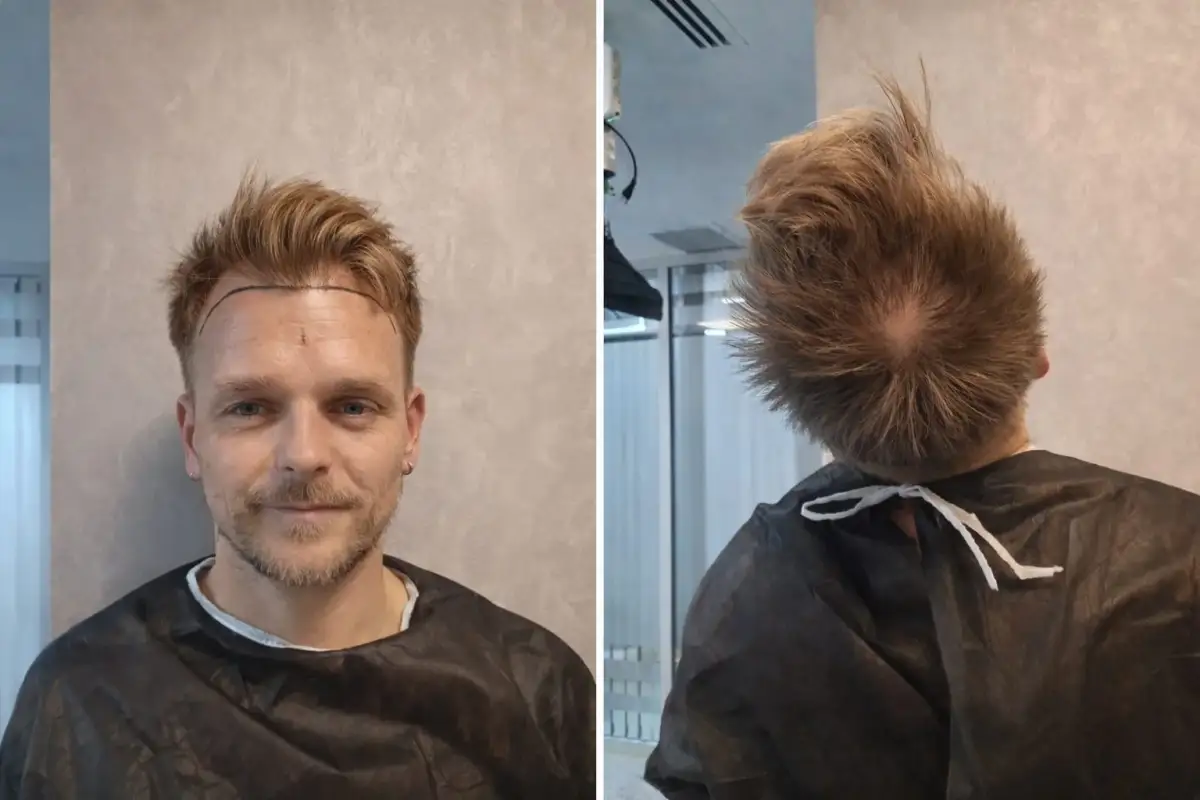
Write down the pattern of hair loss, how long you have noticed it, relevant medical conditions, medicines, previous treatments and the result you hope for. Photographs taken in consistent lighting can help a remote conversation, but they cannot establish whether surgery is appropriate. If the cause of loss has not been evaluated, arrange an appropriate clinical assessment. Prepare questions about the donor area and whether existing hair may continue to thin. Decide how much time you could realistically spend abroad and whether you could obtain care locally if needed afterward. These preparations make the first message more useful than a request for a price alone. They also give you a record of what was known before anyone suggested a particular procedure.
Initial inquiry: ask for a process, not a promise
When contacting providers, send the same essential history and clearly labeled images if requested. Ask how images are stored and who can review them. Seek a description of the consultation process, the clinician's role, the facility, and how a provisional plan is confirmed after examination. A graft estimate based on photographs should remain provisional. Ask what conditions would make the team reduce, change, or decline the proposed procedure when you arrive.
At the in-person assessment
Expect the conversation to become more specific. The clinician should examine the scalp and donor area, revisit your expectations and explain the intended technique, limitations, alternatives and risks. Ask who will perform the clinical stages and how the day is organized. Make sure the consent document matches the discussion, including what follow-up is available when you leave. If the plan differs substantially from the one you accepted remotely, pause and ask why. The fact that you have already traveled does not oblige you to proceed. An inquiry about a hair transplant in turkey can start online; the final decision still deserves a proper individual assessment.
First weeks at home: follow the agreed pathway
Set reminders for the scheduled check-ins and record symptoms or questions as they arise. Follow the specific guidance provided for cleaning, activity, and medicines. If you develop a concerning symptom, use the urgent route described by the clinic and obtain local medical help where appropriate rather than waiting for a routine photo review. Avoid drawing conclusions about the final result from early appearances; healing and growth unfold over time and vary between individuals. Ask the treating professional when they expect the next meaningful assessment and what changes should be reported sooner. Keep correspondence organized by date, especially if more than one staff member replies. If remote follow-up is promised, check whether a clinician actually reviews medical concerns and whether a local referral is recommended when an issue cannot be judged remotely.
Weeks and months at home: keep the follow-up pathway alive
A final checkpoint is the longer-term review: what changed relative to the stated goal, what uncertainty remains, and what options are reasonable now? A disappointing result does not automatically mean another operation is suitable. Review donor availability, the cause of any shortfall, and any continuing loss before considering further intervention. The purpose of a timeline is to keep each decision connected to the next, from diagnosis and consent through care after returning home. A provider's hair transplant in turkey information can start the inquiry, while your own written clinical plan and follow-up arrangements must carry it through.
On arrival and on procedure day
The in-person assessment is a decision point, not a formality. Ask the clinician to explain any changes to the proposed hairline, graft range or treatment area, and take time to understand the consent information. Confirm who performs the various steps and which instructions apply immediately afterward. If the plan differs materially from what you accepted remotely, discuss whether to proceed rather than feeling committed by the cost of the flight. Ask for written aftercare directions and a way to reach the team with clinical questions. Record any medicines you receive and how to take them. Your own treating team should give instructions suited to your case rather than relying on a generic recovery calendar.