The agreement for travel and care, The individualized proposal — Evaluating a Hair Transplant Clinic in Turkey Through Its Documents
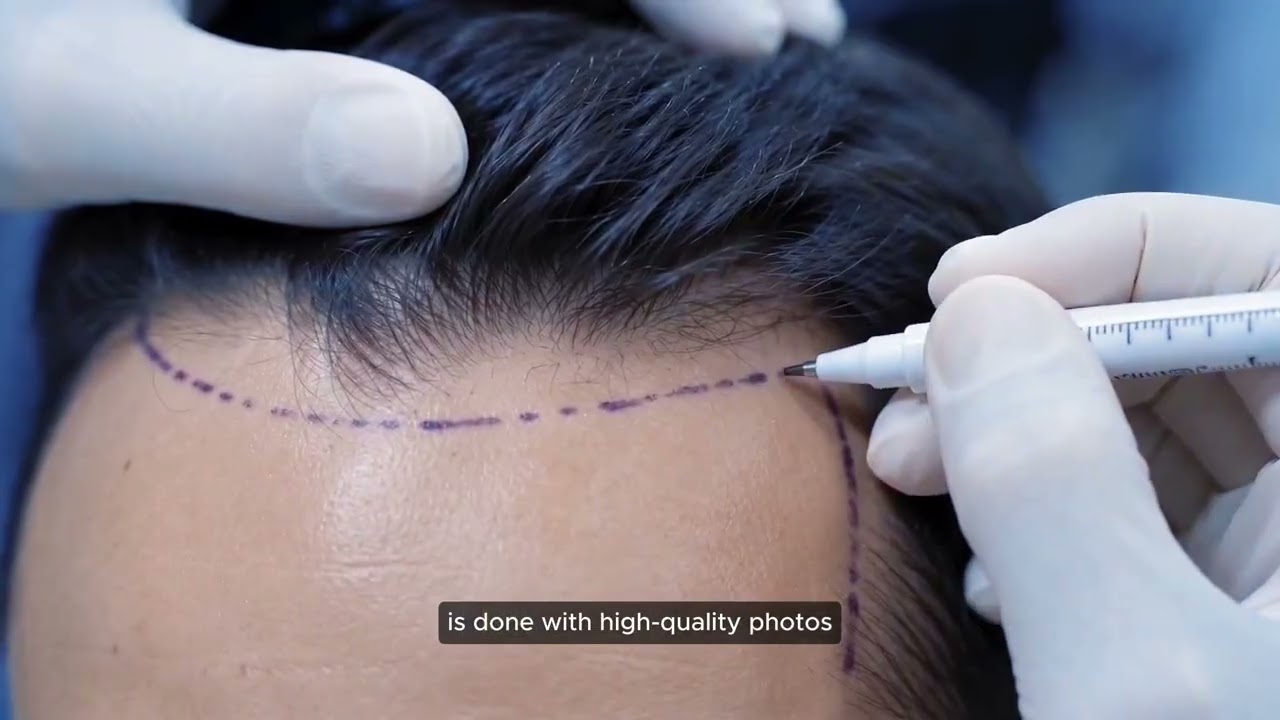
A clinic's website can introduce its services, but the first document you need is an explanation of your own situation. Ask who assesses the cause and pattern of hair loss, what can be determined from photographs and what needs examination in person. Does the proposed plan discuss the donor area, treatment priorities and possible future loss? If the answer is only a graft number, ask how that number relates to the result you want. A clinician should also be able to explain why waiting or another approach might be appropriate.
The individualized proposal
When researching the best hair transplant clinic in turkey, ask how each provider balances immediate coverage against preservation of the finite donor supply. A dramatic hairline may look appealing today while using grafts that could matter if surrounding native hair thins later. The document should explain limits, alternatives and why a particular method is suggested for you rather than presenting a technique name as a universal answer.
Read the proposal as one record
When considering a best hair transplant clinic in turkey, collect the treatment plan, estimate, risks, alternatives and aftercare details together. Check whether the intended areas and graft estimate match across documents. Ask what findings could change the plan after arrival and how a revision would be explained. A changed recommendation can be reasonable; it should not be buried in a new invoice. Preserve dated versions. That record lets you distinguish information provided before travel from decisions made after an in-person examination.
Identify who takes responsibility
A search for the best hair transplant clinic in turkey can surface provider pages and rankings. A provider page describes its own offer, while a ranking needs a disclosed method and possible commercial relationships before it can be evaluated. Neither can decide your medical suitability. Use the claims to create questions for a qualified consultation.
Request reasoning behind the proposal
The document should explain the intended recipient area, provisional graft range and preservation of donor supply. Ask how existing hair might change and whether non-surgical options or waiting should be considered. A graft number is not a guarantee of density or appearance. Ask which findings at an in-person assessment could change the recommendation. If two clinics propose markedly different plans, compare their reasoning before comparing price. The possibility that surgery is unsuitable is a legitimate outcome of evaluation. Keep written descriptions of risks, limitations and alternatives with the quote, so that informed consent is more than a signature on arrival.
Read the documents together
Look closely at payment conditions. Ask when the deposit becomes nonrefundable, what happens if illness delays travel, and how refunds work if surgery is not recommended on arrival. Hotel and airline rules may be separate. Calculate your own flights, leave from work, and extra nights instead of treating the clinic's displayed amount as a complete trip budget.
The agreement for travel and care
Read the quote as a list of services: consultation, tests, surgery, medicines, early checks, hotel, transfers and follow-up. Record the payment currency, deposit and refund conditions. What if the in-person assessment advises against surgery? A clinic refund may not cover flights and accommodation booked separately. Keep those policies in separate rows of your budget.
Use examples with care
File each response under the appropriate document and mark it confirmed, preliminary or unanswered. One clinic may supply a strong written proposal but weak follow-up terms; another may have extensive travel support without identifying surgical roles. A defensible choice depends on whether the complete set addresses your clinical needs and ability to manage care across borders.
Decide from the file as a whole
Mark each important question answered, provisional or unanswered. Check whether a clinical professional supplied the medical response, and whether financial conditions match the final treatment proposal. Photographs and testimonials may add context but cannot predict your result. You might seek another opinion, defer surgery or select a provider whose plan you understand. There is no universal clinic winner for every diagnosis and donor area. The useful test is whether you can explain why the proposed treatment fits your circumstances, what may change and what help will be available if recovery raises a concern.
Check the origin of a claim
If a listing awards a clinic a top position, find out whether it explains how providers were selected and whether payment affects placement. That information can help you interpret the page as a source of leads. It cannot replace your consultation. Record claims you can verify with named staff and written documents, and set aside those that are merely promotional adjectives.