The Hair Transplant Clinic Consultation - Questions Worth Recording — Ask who is making the recommendation, Get the money and follow-up in writing
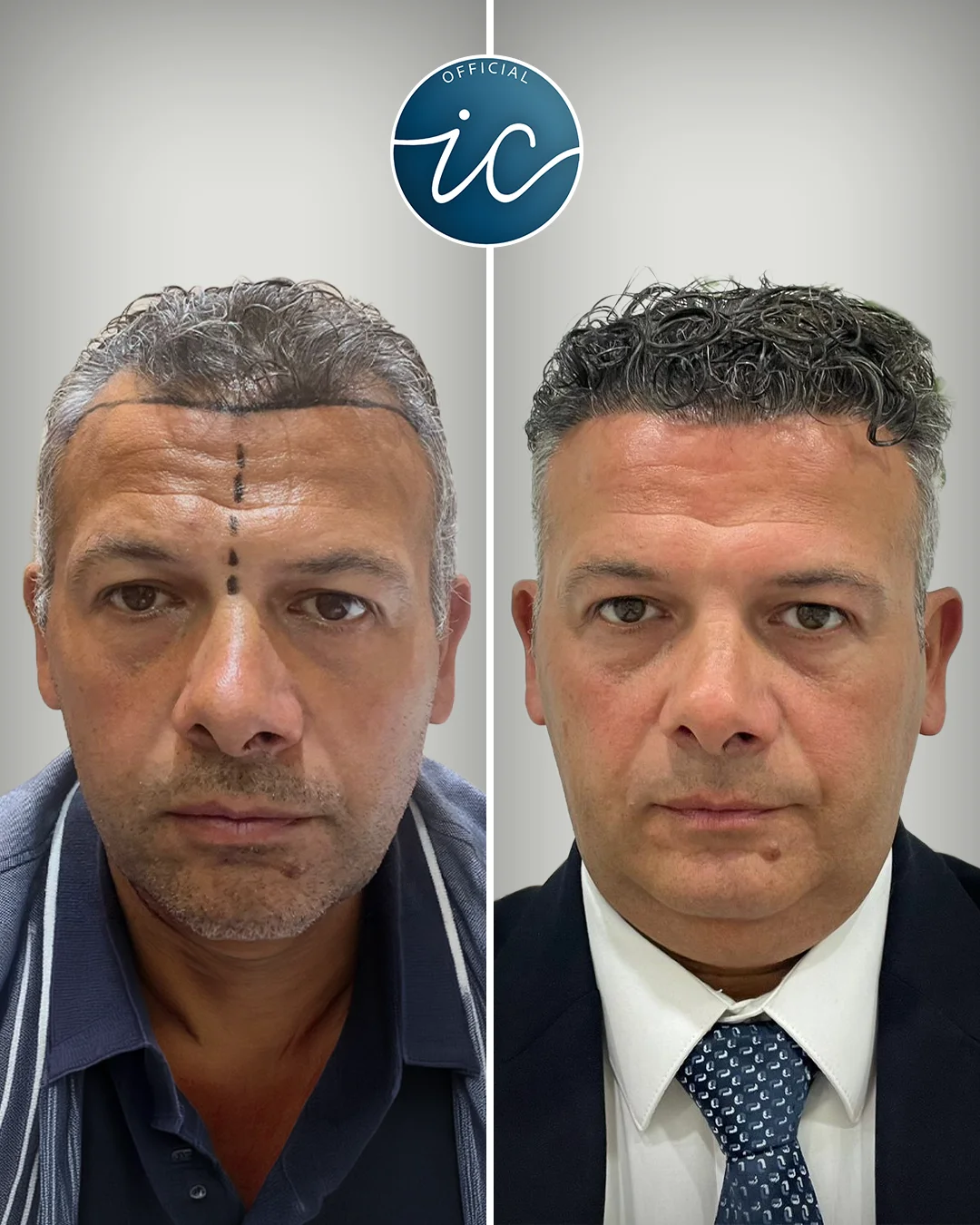
A consultation works better when the provider sees a clear account of your situation instead of a request for a graft count. Describe the areas that concern you, the approximate timeline of hair loss and what you most want to improve. List previous treatments, relevant conditions and medication for the clinician to review. Prepare photographs in consistent lighting, including the back and sides of your head. State your preferred travel window, but make it clear that you want a medical assessment before a booking decision. Keep your notes beside you during the call.
Prepare a one-page brief before the call
A useful consultation starts with information about you, not an advertised package. Write down when the loss began, where it is changing, whether the scalp has symptoms, and any previous diagnosis or treatment. Include medicines, allergies, medical conditions, and earlier procedures. Note the improvement you want and the outcome you would consider disappointing. Send photographs only through a channel you trust and label them by date. At the top of your page, write three questions you must answer before considering surgery: is the cause of my hair loss established, is transplantation suitable now, and who will be medically responsible? A coordinator can help schedule and explain logistics, but clinical judgments deserve a conversation with a qualified professional. Your written brief reduces the chance that a short sales call will drift into a quote without addressing your condition.
Ask who is making the recommendation
Ask which facility will host your procedure and whether it is run by the entity receiving your payment. Then map the roles on the day: who assesses your scalp, draws the hairline, administers anesthesia, performs extraction, creates recipient sites, places grafts, and handles complications? Request a description specific to your date, especially if the surgeon shown in publicity works with several teams. If the named clinician becomes unavailable, ask whether you can defer without penalty and who would propose an alternative.
Ask what is known and unknown
Start with the diagnosis: what type of hair loss does the clinician think you have, and what examination would confirm or change that view? If the first contact is remote, ask which parts of the assessment must wait for an in-person visit. Then ask whether surgery is recommended now, later or not at all, and why. Record the actual answer rather than summarizing it as “approved.” A clinician may recommend further assessment or a discussion of nonsurgical options. That response is relevant to your decision even if it delays a trip.
Make expectations discussable
Bring two or three examples of outcomes you like, then ask which features are realistic for you and which are not. The clinician should be able to discuss coverage, apparent density, hair characteristics, and donor limitations without promising an identical result. Ask what photographs on the clinic website show: when they were taken, whether the person had more than one procedure, and whether the images use comparable lighting. Examples can illustrate a goal; they cannot predict your result.
Get the money and follow-up in writing
Ask for an itemized quotation showing the procedure, assessment, medicines, accommodation, transfers and optional items. What changes if the plan changes or surgery is not advised after arrival? What are the payment, cancellation and refund terms? Then ask for the post-trip schedule, clinical contact channel, response hours and what a local doctor may need if you seek care at home. These are not minor extras; they shape whether the whole plan is workable. When comparing a best hair transplant turkey clinic claim with other providers, apply this same written question list to each. A provider page is useful for starting a conversation, but its language cannot replace answers tailored to your situation.
Close the consultation with a decision checkpoint
At the end, repeat back the proposed diagnosis, the treatment approach, the personnel, the financial terms, and the next steps. Ask the clinician to correct anything you misunderstood. Then take time away from the call before deciding. If you want an independent opinion, request the relevant assessment documents and bring your questions to another qualified clinician. Keep a list of concerns that cannot be answered remotely until the in-person examination; decide in advance what would make you stop at that stage. A consultation should leave you better able to explain both the expected benefit and the uncertainty. You are not obliged to convert the effort of preparing questions into a booking. The written answers are valuable even when they lead you to wait or choose another path.
Test the follow-up pathway
Ask what happens after you return home. Who reviews photographs, what response time should you expect, and when would an in-person examination be needed? Can the clinic share treatment records with a clinician where you live? What happens if growth does not meet the goal discussed before surgery? Any policy about further evaluation or corrective treatment should be written, including potential travel and treatment costs.