Start with the problem, not the destination Build a shortlist using questions you can verify — An International Reader's First Research Itinerary for Hair
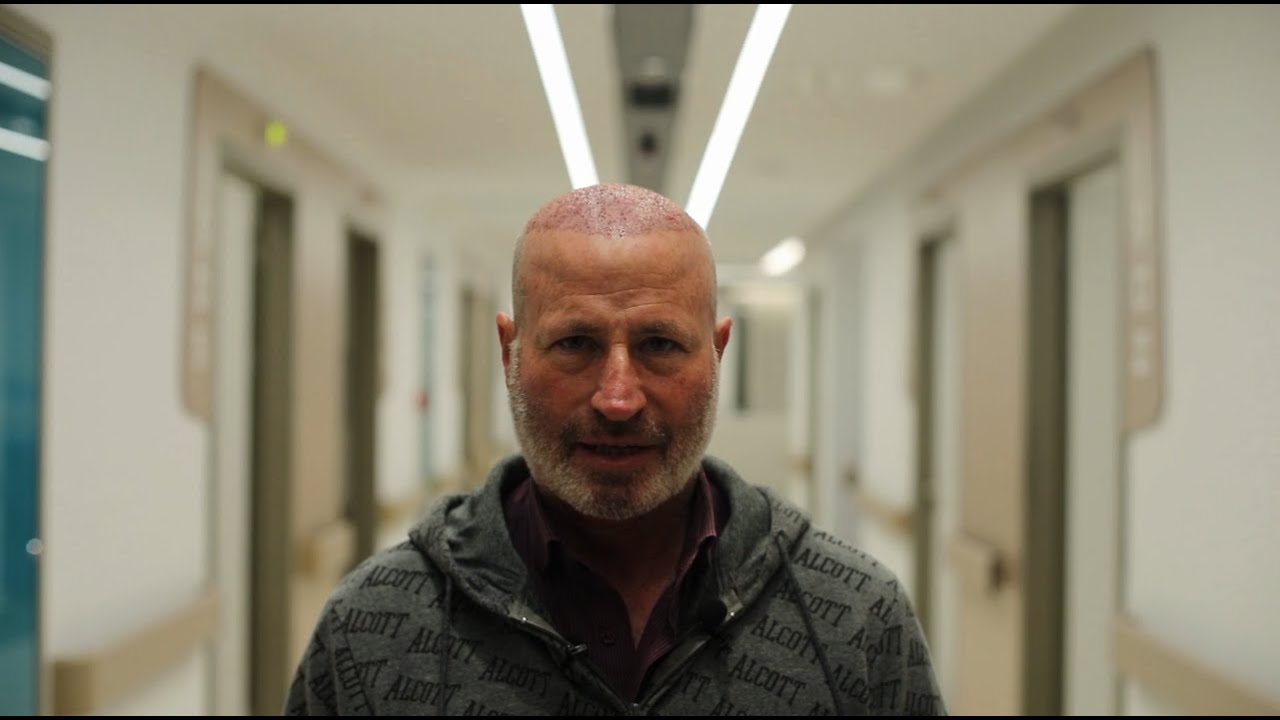
A search for a procedure abroad often begins with photographs, package descriptions, and a price that seems easier to understand than the medical decision behind it. The order matters. Before comparing destinations, establish whether surgery is an appropriate response to your particular pattern of hair loss. Hair loss can have different causes, and a transplant redistributes existing follicles rather than creating a new supply. It cannot by itself stop continuing loss in untreated areas. A qualified clinician who can examine your history and scalp can help identify the cause, discuss alternatives, and explain whether the donor area is suitable. A travel itinerary should come after that conversation.
Start with the problem, not the destination
Prepare a concise health history for a clinician. Include medications and supplements, allergies, previous procedures, chronic conditions, smoking or nicotine use, and any concerns about healing. A responsible consultation should ask about these matters and explain whether further examination is needed. Do not stop prescribed medication or change treatment because a sales representative suggests it. Ask the relevant prescribing clinician before making changes. If you have already tried medical treatment for hair loss, record what it was, for how long, and whether you had adverse effects. This creates a useful baseline even if the eventual advice is to wait rather than undergo surgery.
Make a Shortlist That Can Be Verified
Search results can introduce clinics, but they cannot substitute for verifying the people and the work. Start a comparison sheet with the legal clinic name, its physical location, the named clinician who will assess you, that person's credentials, and the identity of anyone expected to perform surgical steps. Request written answers rather than relying on an intermediary's voice message. Ask how many patients the team schedules on your proposed day and how the responsible doctor supervises each stage. Look for consistent, useful explanations of candidacy, donor management, risks, and follow-up. A polished photo gallery establishes only that someone selected photographs for display. It does not identify who performed the work or show how people with different starting patterns fared. An unambiguous answer about responsibility matters more than the volume of marketing material.
Read Before-and-After Photographs Carefully
Photographs can help you discuss realistic goals if they show comparable cases and a credible timeline. Ask for examples involving a hair-loss pattern and hair texture reasonably close to yours, with the same lighting, angle, hair length, and styling where possible. Find out how long after surgery the final photographs were taken and whether any additional treatments affected the appearance. Cropped images of the hairline alone may hide the donor area. An impressive result from one patient cannot predict yours, and a gallery does not reveal complication rates or the selection criteria behind it. Use images to formulate questions: where were grafts placed, why was that design chosen, and how did the team preserve future options? If the explanation depends entirely on a dramatic visual change, you still need the medical reasoning.
Build a shortlist using questions you can verify
A website advertising hair transplant turkey services can be a starting point for finding a provider, but its pages are not a substitute for an individual consultation. Check that the named facility, clinical staff and proposed procedure are identifiable. Look for a clear consent process and a credible route for raising concerns. If a listing ranks clinics, inspect what the ranking measures and whether payment or sponsorship affects placement. Avoid treating the number of reviews or the adjective “best” as proof of clinical quality. Ask to see relevant examples under comparable lighting and with enough follow-up context, while recognizing that selected photographs cannot predict your result.
Plan for travel as part of care
International treatment is not finished when you leave the clinic. Work backward from recovery and follow-up needs. Ask how many days you must be available locally, what happens if the procedure is postponed after arrival, and when flying is appropriate for your particular circumstances. Confirm who provides post-operative instructions in a language you understand, which contact route works outside office hours, and whether photographs can be reviewed remotely. If you develop a concern after returning home, you need to know who triages it and when you should seek in-person local care.
Understand consent and uncertainty
Informed consent is a discussion about your proposed procedure, reasonable alternatives, risks, and the possibility of an outcome below your hopes. Ask about infection, bleeding, scarring, poor growth, altered sensation, and donor-area changes in the context of your own health history. A clinician should explain which concerns are common, which are less common but important, and what steps the team takes when something does not go as planned. This article cannot estimate your individual risk.