Questions to Bring to a Shortlisted Hair Transplant Clinic — Ask who is making the recommendation, Ask what could go wrong and what happens next
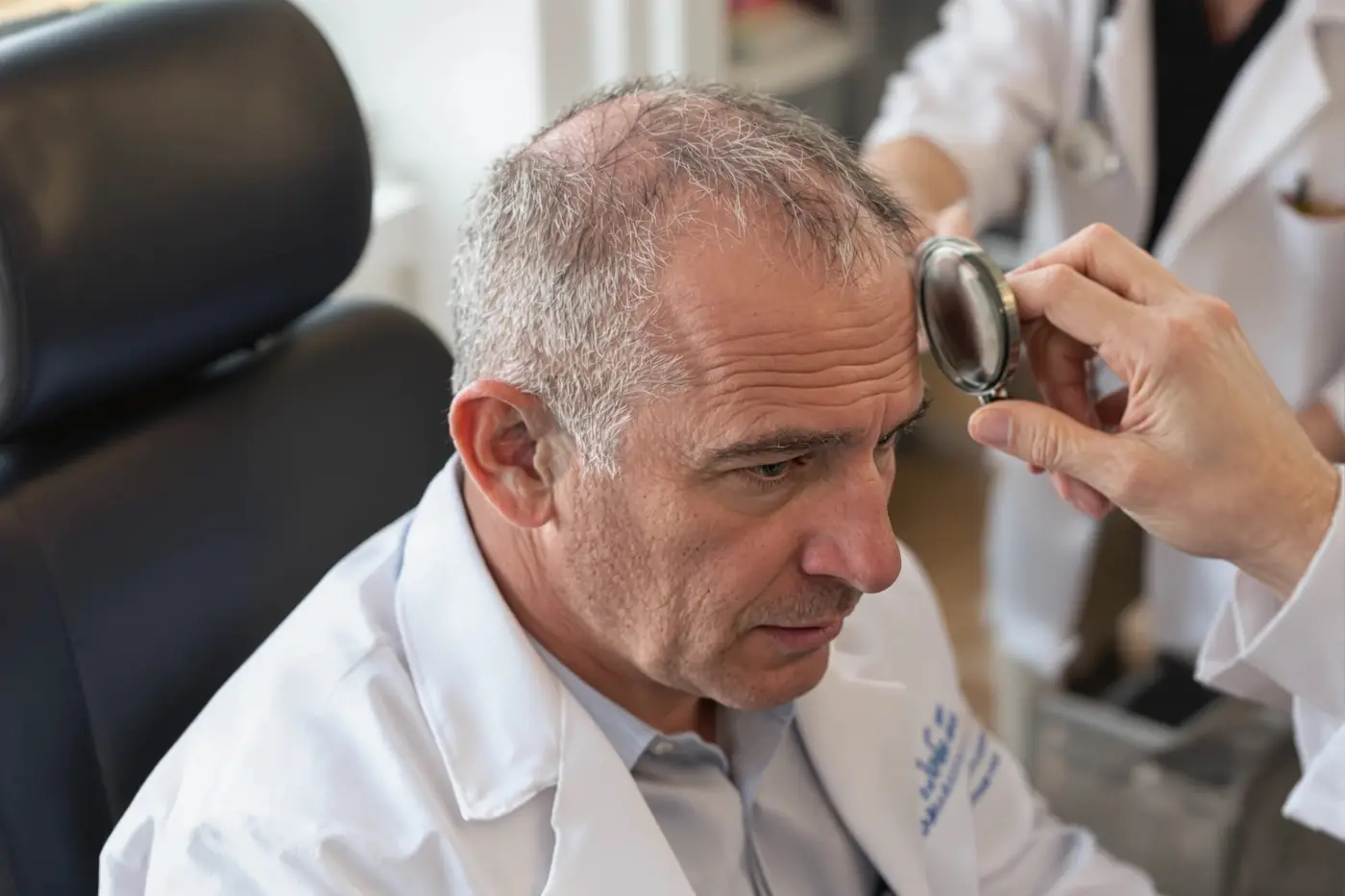
A shortlist is only a starting point. The consultation is where a clinic's promises become a specific proposal for your scalp, donor hair, medical history, and future pattern of loss. Arrive with questions you can ask consistently and a notebook that records who answered each one. The point is not to trap a clinician with a checklist. It is to obtain enough information to give informed consent, compare real differences between providers, and recognize where an attractive quote still conceals uncertainty.
Ask what is known and unknown
Start with the diagnosis: what type of hair loss does the clinician think you have, and what examination would confirm or change that view? If the first contact is remote, ask which parts of the assessment must wait for an in-person visit. Then ask whether surgery is recommended now, later or not at all, and why. Record the actual answer rather than summarizing it as “approved.” A clinician may recommend further assessment or a discussion of nonsurgical options. That response is relevant to your decision even if it delays a trip.
Ask who is making the recommendation
The first question for a best hair transplant turkey clinic shortlist is who is speaking. Is the person explaining suitability a clinician authorized to diagnose and plan treatment or a coordinator providing general information? Ask for the responsible clinician's full name, professional role, and registration details. A coordinator may communicate clearly and help with arrangements, but the clinical reasoning and consent should be attributable to a qualified professional.
Ask what could go wrong and what happens next
Invite a direct discussion of bleeding, infection, swelling, altered sensation, scarring, graft survival, and an appearance that does not meet your expectations. Which risks are especially relevant to your health history? What symptoms after discharge merit immediate contact, and where would you go for an in-person examination? Ask how complications are documented, who reviews them, and whether the clinic cooperates with a local clinician if you are back home. The goal is not a frightening list of possibilities. It is a plan for responding to problems instead of leaving you to guess what is normal. Ask to see the consent information before travel, with enough time to understand it. A promise that complications 'never happen' would be less useful than a responsible description of how the team works to prevent and address them.
Close the loop on follow-up
After each consultation, fill in your notebook before memories blend. Record the speaker, date, exact claims, supporting documents, and questions needing written confirmation. Compare the clinics only after you have asked the same core questions. If an answer changes between sales and clinical staff, ask them to reconcile it. If you cannot establish suitability, responsible personnel, the full terms, and a credible follow-up route, postpone the deposit. The best consultation leaves you with a reasoned choice, including the freedom to wait or decline.
Finish with a consultation record
After the call or visit, make three columns: answered, provisional and unanswered. Add the name and role of whoever supplied each important answer. Ask for clarification where a medical point differs from the sales summary, particularly on responsibilities, graft range or the timing of a final decision. You may discover that you need a medical evaluation closer to home before planning international treatment. You may also decide that the proposed travel and recovery schedule is difficult to accommodate. Either conclusion is useful. The aim is an informed decision you can revisit, with clear reasons for proceeding, pausing or choosing another route. Keep a copy of the notes and the written quote rather than trusting memory after several similar consultations.
Test the follow-up pathway
Ask what happens after you return home. Who reviews photographs, what response time should you expect, and when would an in-person examination be needed? Can the clinic share treatment records with a clinician where you live? What happens if growth does not meet the goal discussed before surgery? Any policy about further evaluation or corrective treatment should be written, including potential travel and treatment costs.
Close the consultation with a decision checkpoint
At the end, repeat back the proposed diagnosis, the treatment approach, the personnel, the financial terms, and the next steps. Ask the clinician to correct anything you misunderstood. Then take time away from the call before deciding. If you want an independent opinion, request the relevant assessment documents and bring your questions to another qualified clinician. Keep a list of concerns that cannot be answered remotely until the in-person examination; decide in advance what would make you stop at that stage. A consultation should leave you better able to explain both the expected benefit and the uncertainty. You are not obliged to convert the effort of preparing questions into a booking. The written answers are valuable even when they lead you to wait or choose another path.