Does Turkey Fit Your Hair Transplant Plan - A Decision Tree for Travelers — Gate six — do the available examples answer your question; Gate six — What happens
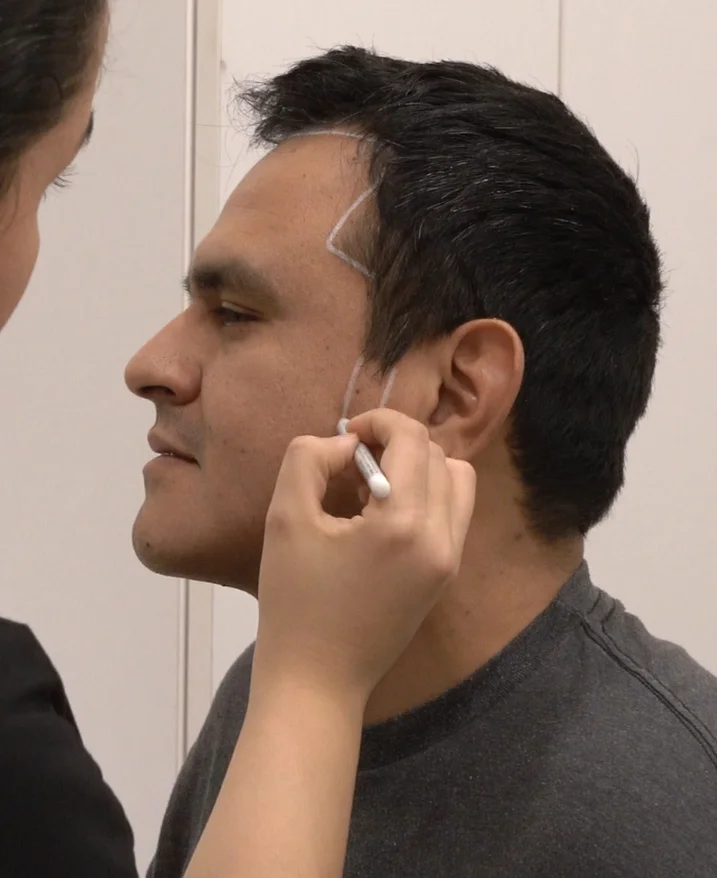
The country is a logistical choice, not a diagnosis. Before you consider an airline ticket, ask whether a qualified clinician has established the cause of your hair loss and discussed whether surgery is suitable now. Pattern thinning may make someone a candidate for transplantation, but sudden shedding, inflammation, scarring conditions, or an unstable medical problem could call for a different evaluation. An online estimate from photographs is an opening conversation; it is not necessarily a complete examination. If the reason for the loss is unclear, the sensible branch of the decision tree points toward assessment near home first. Ask what observations support the diagnosis, what alternatives exist, and how continuing loss of nontransplanted hair might affect a result. If a provider says every inquiry is ready for surgery, you have not yet received an individualized answer. The rest of this guide assumes you can discuss the medical question with an appropriately qualified professional.
Gate two: can you identify the people and place providing care?
For any turkey hair transplant inquiry, ask for the legal provider, facility address, responsible clinician's name, and the division of work on procedure day. Who examines you and draws the hairline? Who extracts grafts, creates recipient sites, and implants them? What is each person's training and authorization to perform that task? These questions matter because a brand, coordinator, and operating team are not necessarily the same entity. Require answers before paying a nonrefundable deposit.
Branch two: do the expected results match your goals?
An appealing hairline picture may conceal a mismatch between what you want and what your donor area can support. Ask the clinician to describe the recipient zones, approximate graft needs, donor limitations, and possible progression of hair loss. If your priority is a very low hairline, ask what the plan would look like years later if adjacent native hair continues to thin. If your priority is crown coverage, ask what density may be feasible and whether it affects the resources available for the front. Ask to see comparable cases photographed at a meaningful follow-up interval, including the donor area, while remembering that selected examples cannot predict your outcome. The answer to this branch can be 'revisit the design,' 'consider nonsurgical management,' or 'seek another opinion.' None of these is a failure of your travel research. A realistic medical plan is the condition for a meaningful country comparison.
Gate three: can you absorb the full cost and uncertainty?
Separate the quoted clinical charge from the cost of undertaking the trip. Make a budget for flights, local transport, nights before and after surgery, meals, time away from work, travel insurance terms, accompanying person if needed, and the possibility of changing your return flight. Ask which items the clinic package includes and which are provided by third parties. A hotel night is not a medical service, and a transfer does not cover an unexpected examination after you return home.
Gate six: do the available examples answer your question?
Photographs and reviews help generate questions, but they cannot establish your individual prognosis. Compare cases with similar hair texture, loss pattern, and donor constraints. Ask when photos were taken, whether there were multiple procedures, and whether lighting, styling, or medical treatment changed. Seek views of the donor area as well as the recipient area. An image labeled with a high graft count should lead to discussion of where those grafts came from and how the donor area was protected.
Gate six: What happens after you fly home?
Ask for the aftercare schedule in advance, with specific contact methods and expected response times across time zones. Who reviews photographs? When are follow-up appointments planned? Which symptoms require immediate local assessment rather than waiting for a reply from abroad? Confirm how the clinic would share your records with a local health professional if necessary. You do not need to predict exactly which issue might arise to recognize that remote messaging has limits. A vague promise of “lifetime support” is less useful than named contacts and a defined process.
Decide, delay, or decline
At the final fork, ask whether medical suitability, accountability, travel, total cost, and aftercare have each reached a standard you can explain to someone else. A 'yes' on price does not override an unanswered clinical question. A 'yes' on medical suitability does not mean an inflexible trip is wise right now. If the essential information is documented and the uncertainty acceptable, you can discuss next steps with the responsible clinician. If it is incomplete, request specific answers and give yourself time to review them without an expiring promotion. If it conflicts with your health or practical needs, choose another option or defer surgery. The point of the tree is to make a complex choice inspectable: you should know which fact moved you forward, which fact made you pause, and who is responsible for the care that follows.