Create a shortlist from verifiable details and Work through travel as part of the care plan — A First Research Itinerary for a Hair Transplant in Turkey
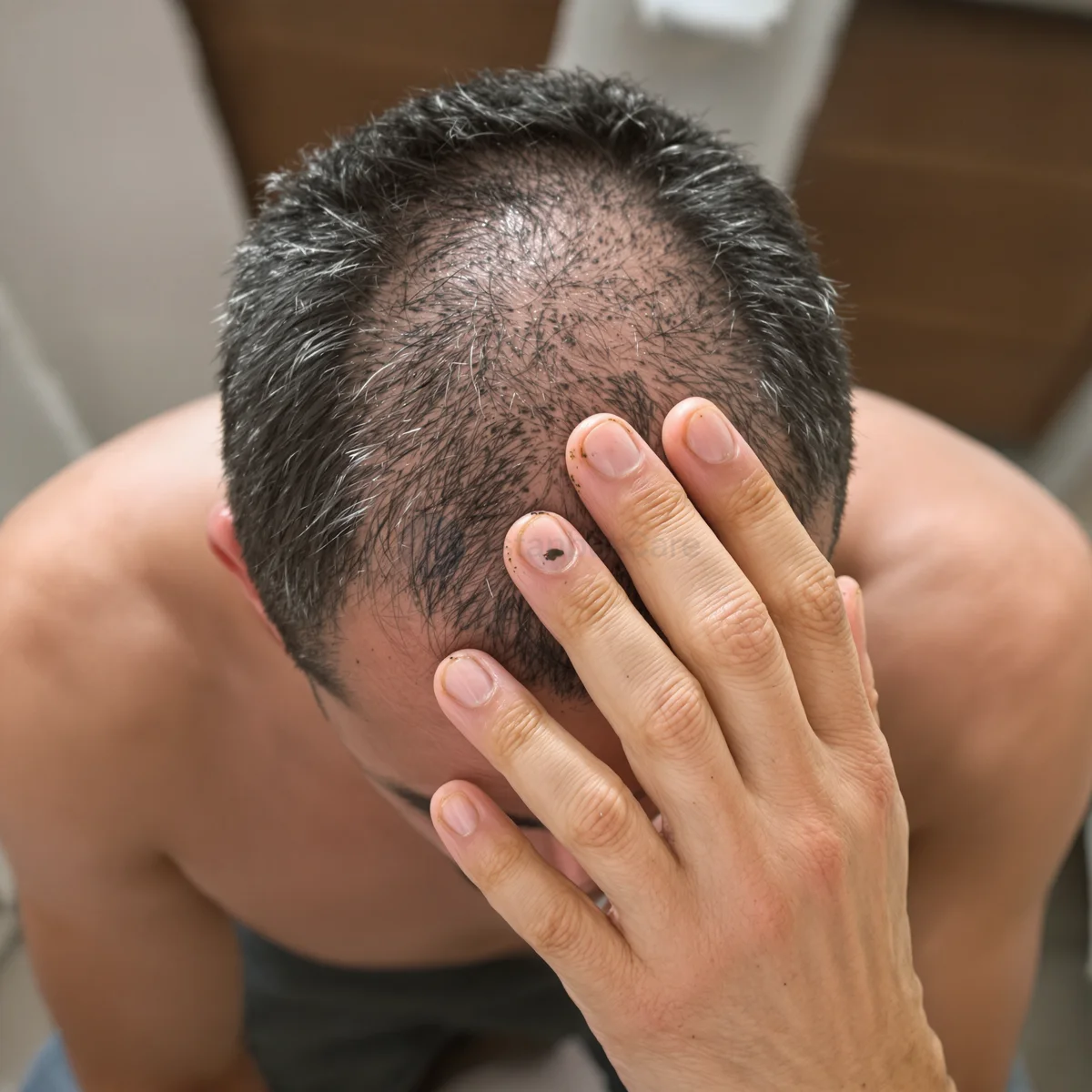
The first useful question in an international search for a hair transplant is whether a transplant addresses the kind of hair loss you have. A photograph of a thinning hairline cannot establish the cause. Pattern hair loss, inflammatory scalp disease, a temporary shedding episode, and hair loss related to medication or illness call for different conversations. Before comparing packages abroad, arrange an assessment with a qualified clinician who can examine your scalp and history. Bring a timeline of the change, information about relatives with hair loss, current medicines, and any itching, pain, redness, or abrupt shedding. Ask what diagnosis is being considered and what would change it. If the answer remains uncertain, ask whether further investigation is appropriate before surgery. A clinic that starts with a graft figure before discussing diagnosis has skipped a decision that affects everything downstream.
Understand What the Procedure Can and Cannot Move
Transplantation redistributes hair from a donor area to a recipient area. It does not create an unlimited new supply of follicles or stop every process that may continue to thin the hair you already have. A surgeon should explain the condition of the donor area, the size and character of the area to be treated, and what a conservative plan might look like if hair loss progresses. Ask to see the proposed hairline in relation to your age, facial proportions, and likely future changes. A densely drawn front may sound attractive today but needs to be judged against the finite supply behind it. Discuss whether treatment without surgery, or delaying the decision, deserves consideration. This is especially relevant if your loss has recently changed or your goals depend on predicting its course. Good research keeps the option of doing nothing for now on the table.
Create a shortlist from verifiable details
Search results for hair transplant turkey mix clinics, brokers, review sites, and advertising. Treat each listing as a lead to investigate. Identify the legal clinic name and physical facility, the clinician responsible for diagnosis and surgical planning, and the team members who carry out extraction, site creation, and implantation. Ask what credentials and professional registration apply in the country where the procedure occurs. If an agency handles messages, find out which clinical organization actually provides care and who holds your medical record.
Learn the treatment vocabulary without buying a label
Have the clinician explain anesthesia, pain control, possible swelling and bleeding, infection precautions, scarring, shock loss, and the possibility that growth or cosmetic coverage will not meet expectations. Discuss what happens if the procedure cannot be completed as planned. The purpose of this conversation is informed consent, including what a reasonable patient might choose instead. No responsible plan can promise that every graft will grow or that a particular photograph will be reproduced.
Separate the consultation from the sales quote
Record answers in the same format for each provider: question, answer, professional who gave it, date, and whether a written document confirms it. This exposes missing information without turning the process into an arbitrary points contest. For example, one provider might answer a donor-capacity question thoughtfully but give a vague account of follow-up. Another might explain follow-up well while declining to identify who performs critical steps. Both gaps deserve attention before you decide.
Work through travel as part of the care plan
Plan for practical recovery. Ask how the scalp should be protected during the journey home, when work and exercise might resume, what activities should wait, and whom to contact if you develop concerning symptoms. The exact advice should come from your treating team. Save written instructions and a way to reach a clinician outside office hours. If you do not speak the local language, establish how clinical questions and consent will be translated rather than relying solely on the driver or hotel representative.
Make the financial comparison complete
A package figure often combines clinical work with selected travel services, but inclusion lists vary. Request an itemized written quote identifying the procedure, the planned graft range and any conditions attached to it, medicines, tests, aftercare supplies, transfers, hotel nights, interpreter support, and follow-up. Then add airfare, meals, time away from work, travel insurance where suitable, possible extra nights, and local medical visits after you return. Ask which payments are refundable and in which currency charges will be taken.
Map the period after you return
Results take time, and the early appearance is not a reliable verdict on the final outcome. Ask the clinician for a realistic discussion of the usual stages of healing and growth as they apply to you, including what might be normal and what is not. Record the timing of planned check-ins and keep your own dated photographs in similar light. Ask whether medical management of ongoing hair loss should be discussed with an appropriate professional. Transplanted and existing hair are part of the same long-term appearance; a one-time procedure may not be a complete plan for changes that continue over years.