Ask for time to decide and Ask for a clean comparison — What to Do When a Hair Transplant Quote Changes Before Booking
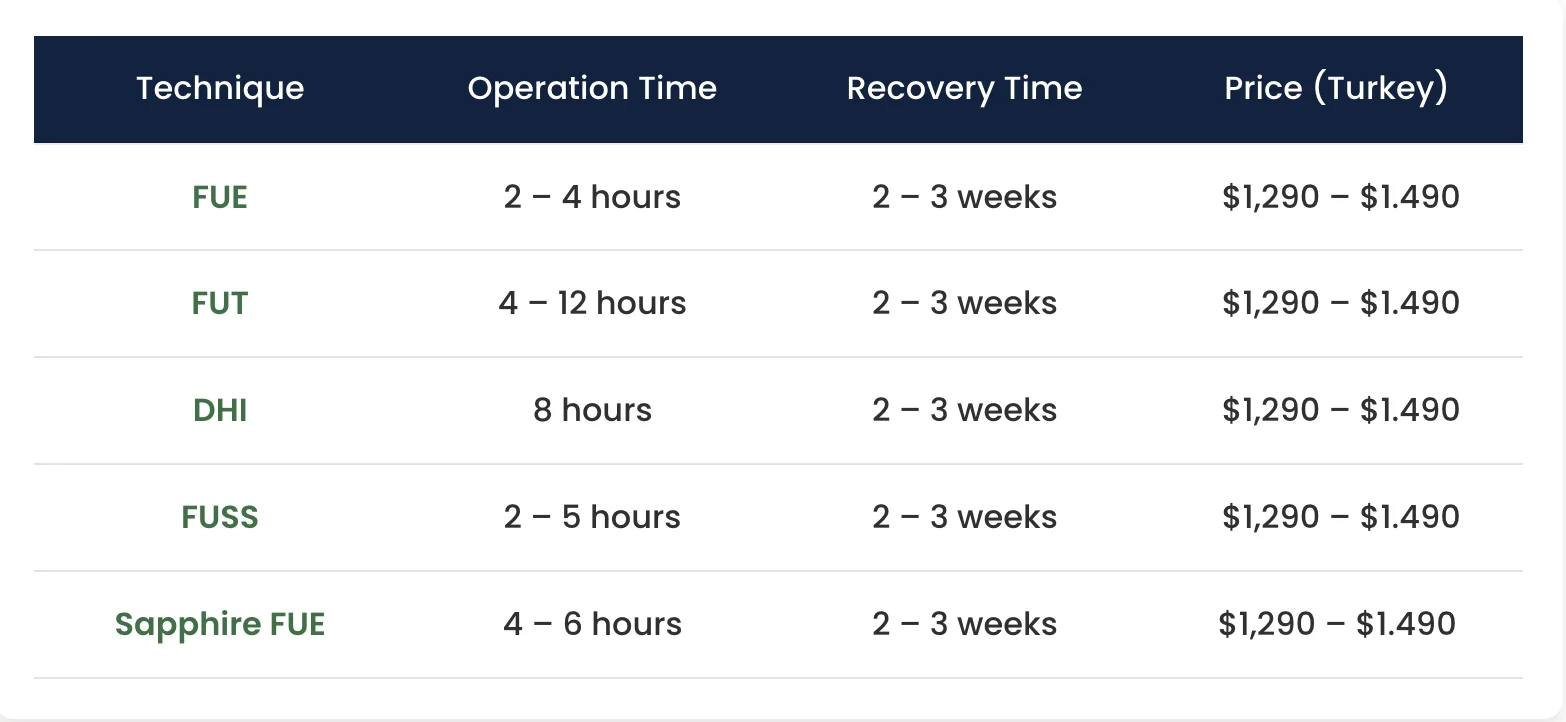
A revised quotation is not necessarily a problem: new information can change the recommended treatment. The first task is to identify precisely what is different. Compare the original and new documents line by line for treatment area, technique, estimated scope, clinical personnel, hotel nights, transfers, medicines and aftercare. Keep both versions rather than replacing the earlier file. Ask who authorised the revision and whether it followed a clinical assessment or a change in travel arrangements. A clear explanation gives you a basis for deciding whether the proposal still fits your goals.
Identify the reason for revision
Did the clinician change the treatment area, provisional graft range, technique or number of sessions? Did the package add tests, hotel nights or transfers? Was the original promotion limited to particular dates? Separate a clinical change from a commercial one. The former should be explained by an appropriately qualified clinician; the latter by an updated written price and terms.
Review a changed graft or coverage plan
An in-person examination may suggest fewer grafts, a different recipient area or that surgery should be deferred. Ask the clinician to explain the reason, expected limitations and implications for donor preservation. A changed number does not tell you by itself whether the plan is better or worse. Ask how the price changes with the scope and what the consent process allows you to do if you disagree. It is reasonable to pause and seek another medical opinion, particularly when the revised plan differs substantially from what you discussed before travel. The cost of a plane ticket should not force acceptance of an unanticipated procedure.
Rebuild the personal total
A smaller clinical fee can still lead to a more expensive trip if accommodation, transport or follow-up are removed. Conversely, a higher fee may include additional services you value. Recalculate your flights, hotel, meals, time off work and possible later appointments using the revised timetable. Keep unknowns visible. A search for best hair transplant in turkey price may reveal examples, but only the actual written proposal can tell you what this provider offers for your circumstances. Avoid comparing a new all-inclusive total with an old treatment-only figure.
Ask for a clean comparison
Request two itemised versions showing consultation, surgery, tests, medicines, early checks, hotel, transfers and follow-up. Have the provider highlight added, removed and conditional services. A total that rises after an extra night is different from a total that rises because the medical scope changed. Ask whether the new figure includes taxes or payment fees that were previously omitted.
Ask for time to decide
You should be able to understand a revised proposal without pressure from the fact that you are already abroad. Ask for an explanation of alternatives, risks, and what happens if you postpone or return home without surgery. If the provider cannot identify who will perform important steps or cannot account for the new charge, pause. A changed price needs informed agreement, not just a new payment request.
Request a usable written revision
If you find information about best hair transplant in turkey price, remember that a published example cannot explain your revised plan. Ask for a new document showing the treatment area, provisional or final scope, included services, added or removed items, payment balance and follow-up terms. Then compare it with your earlier quote and ask the clinician any remaining medical questions. If the revised arrangement does not fit your expectations or budget, postponing is a legitimate decision. A good quote revision makes uncertainty and choice explicit. It never guarantees a final cosmetic result merely because the updated numbers have been agreed.
Check the practical schedule again
A changed plan may require a different length of stay or new appointments. Before accepting the revision, confirm whether your hotel, flights and time away from work still fit. Make any related travel changes only after you understand both the clinical proposal and the financial terms attached to it.
Keep control of the final decision
When a revised quote comes close to your travel date, ask when the medical and financial terms become binding. Separate a request for clarification from accepting the new plan. Check whether you can speak directly with the clinician about changes before agreeing to additional charges. If possible, keep a copy of both versions and the messages explaining each difference. A thoughtful response to a revised quote may be acceptance, a request for another opinion or a pause. None of those decisions should depend solely on a promotional deadline.