An International Reader’s First Research Itinerary for Hair Transplant Surgery in Turkey — Keep the Evidence in Proportion and Build a shortlist from questions
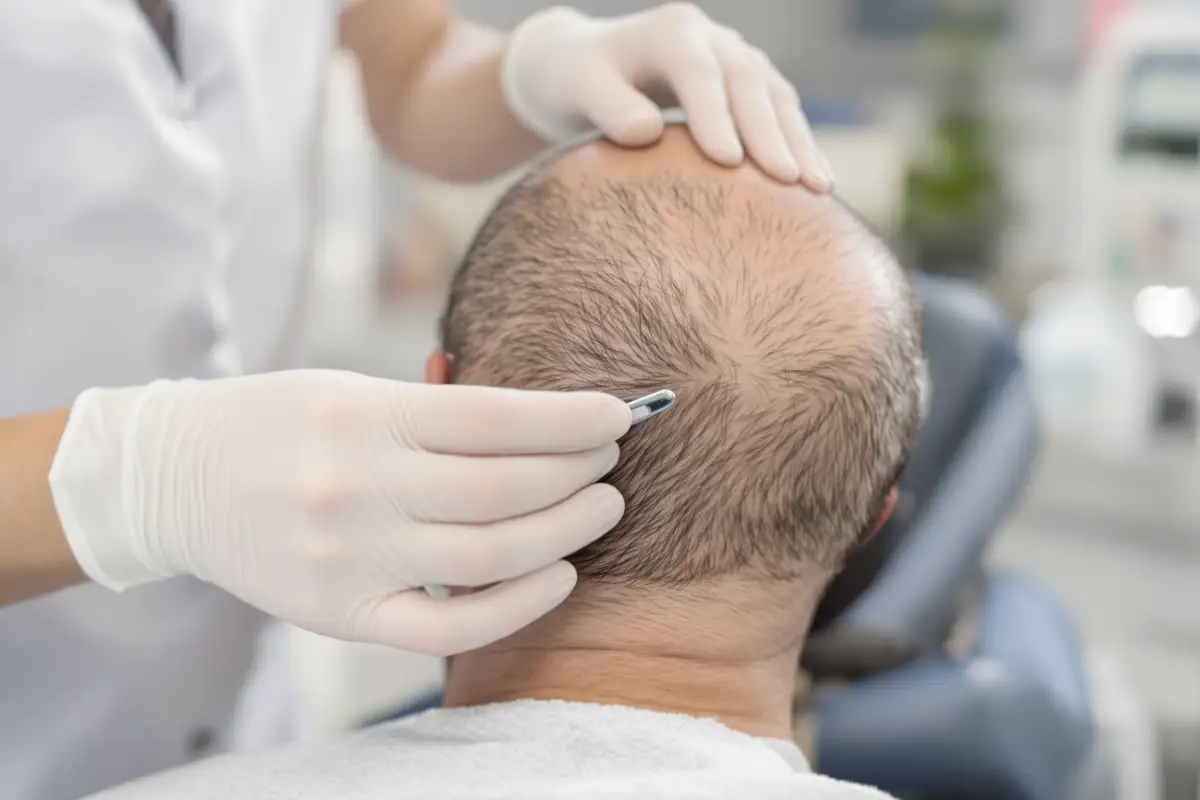
Choosing where to have a hair transplant begins well before comparing photographs or requesting a package quote. For an international patient, the decision joins a medical question to a travel question: whether surgery is suitable, who will perform each part, and how care will continue after the flight home. A polished website can answer none of those questions on its own. Use the following itinerary to organize research into decisions you can actually verify.
Learn what the procedure can and cannot do
The post-procedure appearance changes over time. Short-term swelling, redness, scabbing, and temporary shedding can occur, while growth and cosmetic assessment take much longer than a short trip. Individual healing and growth vary. Request a written account of expected stages, symptoms that warrant prompt clinical advice, and the time at which an outcome can reasonably be assessed. Be skeptical of any description that treats a single attractive early image as the complete result.
Create a shortlist from verifiable details
Search results for hair transplant turkey mix clinics, brokers, review sites, and advertising. Treat each listing as a lead to investigate. Identify the legal clinic name and physical facility, the clinician responsible for diagnosis and surgical planning, and the team members who carry out extraction, site creation, and implantation. Ask what credentials and professional registration apply in the country where the procedure occurs. If an agency handles messages, find out which clinical organization actually provides care and who holds your medical record.
Build a shortlist from questions rather than rankings
For an initial orientation to the services being described, a provider’s hair transplant turkey page can be read alongside other clinic materials. Read any provider page as its own description and verify clinical claims in a consultation. Do not mistake a commercial page for an independent ranking or a personal medical assessment.
Learn the treatment vocabulary without buying a label
Have the clinician explain anesthesia, pain control, possible swelling and bleeding, infection precautions, scarring, shock loss, and the possibility that growth or cosmetic coverage will not meet expectations. Discuss what happens if the procedure cannot be completed as planned. The purpose of this conversation is informed consent, including what a reasonable patient might choose instead. No responsible plan can promise that every graft will grow or that a particular photograph will be reproduced.
Read the financial terms before paying
Find out whether the quoted amount is a provisional estimate or a final invoice, and what would change it after an in-person examination. Ask for an itemized written explanation of the procedure, tests, medication, transfers, accommodation, translation, follow-up, and any optional services. Identify the currency, payment stages, cancellation policy, refund conditions, and what happens if the clinical assessment advises against proceeding. Keep exchange fees, flights, travel insurance, extra nights, and time away from work in a separate personal budget. Read coverage language carefully: ordinary travel insurance may not cover elective treatment or complications. Do not assume a package covers all future medical needs after you return. If you are comparing quotes, normalize the same categories rather than placing a bare procedure price beside a travel bundle. A lower headline figure may still be a reasonable offer, but its value cannot be assessed until you know what it includes and who bears the costs of follow-up or unexpected care. Ask questions before a deposit changes your bargaining position.
Keep the Evidence in Proportion
Patient accounts and reviews may reveal useful questions about communication, accommodation, or aftercare, but they are uneven evidence about medical outcomes. One excellent account cannot establish a clinic's usual results; one negative account may omit details needed to understand what happened. Record recurring themes and ask the clinic specific questions they raise. Prefer verifiable facts: written treatment plans, named medical personnel, clear consent material, and a follow-up pathway that exists before payment. Be wary of certainty in either direction. Hair growth takes time, photographs can be selected or staged, and individual anatomy changes what can be achieved. Independent clinical advice can help you interpret conflicting messages, especially when the pressure to book rises. The strongest itinerary leaves enough time to make a decision that remains sensible after the promotion ends.
Understand consent and uncertainty
Be precise about what any written guarantee actually covers. A promise of a particular visual density or a fixed number of surviving grafts is different from a policy describing review, follow-up, or possible corrective care. Ask what evidence is required to invoke the policy, who decides, where care takes place, and who pays travel expenses. The wording matters, especially if you live in another country. An honest explanation of uncertainty can be a better sign than a sweeping promise.