A First Research Itinerary for a Hair Transplant in Turkey — Build a shortlist from questions rather than rankings and Read Before-and-After Photographs Carefully
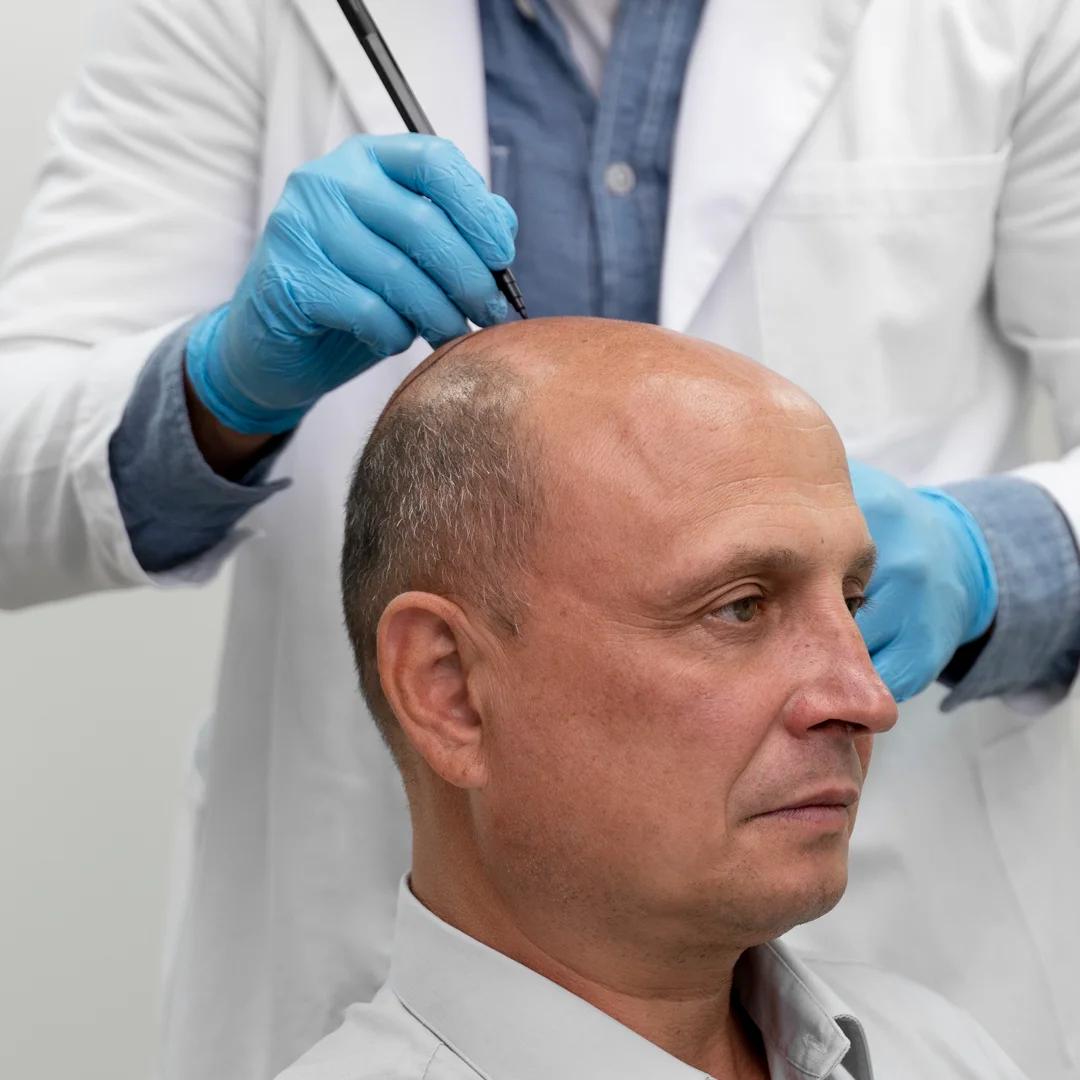
A search for a procedure abroad often begins with photographs, package descriptions, and a price that seems easier to understand than the medical decision behind it. The order matters. Before comparing destinations, establish whether surgery is an appropriate response to your particular pattern of hair loss. Hair loss can have different causes, and a transplant redistributes existing follicles rather than creating a new supply. It cannot by itself stop continuing loss in untreated areas. A qualified clinician who can examine your history and scalp can help identify the cause, discuss alternatives, and explain whether the donor area is suitable. A travel itinerary should come after that conversation.
Start with the reason for seeking treatment
The donor area matters as much as the visible gap. Transplantation redistributes follicles; it does not create an unlimited new supply. Ask a qualified clinician to explain whether donor density, hair characteristics, scalp condition, and the likely progression of loss support your preferred design. If the proposed hairline consumes too much donor hair now, later thinning may leave a result that is hard to revise. A conservative plan may be more useful than the most dramatic image in a gallery.
Read Before-and-After Photographs Carefully
Photographs can help you discuss realistic goals if they show comparable cases and a credible timeline. Ask for examples involving a hair-loss pattern and hair texture reasonably close to yours, with the same lighting, angle, hair length, and styling where possible. Find out how long after surgery the final photographs were taken and whether any additional treatments affected the appearance. Cropped images of the hairline alone may hide the donor area. An impressive result from one patient cannot predict yours, and a gallery does not reveal complication rates or the selection criteria behind it. Use images to formulate questions: where were grafts placed, why was that design chosen, and how did the team preserve future options? If the explanation depends entirely on a dramatic visual change, you still need the medical reasoning.
Create a shortlist from verifiable details
Search results for hair transplant turkey mix clinics, brokers, review sites, and advertising. Treat each listing as a lead to investigate. Identify the legal clinic name and physical facility, the clinician responsible for diagnosis and surgical planning, and the team members who carry out extraction, site creation, and implantation. Ask what credentials and professional registration apply in the country where the procedure occurs. If an agency handles messages, find out which clinical organization actually provides care and who holds your medical record.
Build a shortlist from questions rather than rankings
Once you understand your own starting point, compare providers using a common set of questions. Identify who will assess you, who will create the hairline and graft plan, who will perform extraction and recipient-site work, and who will supervise the procedure. The names and roles should be clear before payment. Titles, qualifications, and permissions to perform particular tasks can depend on local rules; ask for verifiable details about the professionals involved and the facility where treatment occurs.
Use a decision sheet before you pay
Give yourself permission to choose no procedure for now. Reasons to pause may include an unclear diagnosis, an unstable pattern of loss, conflicting advice, a plan that uses donor hair without explaining future needs, or inadequate arrangements for follow-up. You can seek another clinical opinion and revisit the decision once the unanswered questions have been addressed. The aim of research is to make the consultation more precise and the decision more informed. A good final question is simple: can you explain, in your own words, what is planned, why, who will do it, what may go wrong, and what will happen when you are back home?
Build a follow-up path before making a deposit
Keep copies of consent forms, procedure notes, the documented number of grafts, prescribed medicines, and postoperative instructions. These records help if you need care after returning home. Ask what symptoms require urgent local evaluation rather than waiting for a remote response. Severe pain, significant bleeding, fever, or rapidly worsening signs should be assessed promptly by a local medical professional according to the advice you receive; a chat thread is not an emergency service.