A First Research Itinerary for Hair Transplant Travel to Turkey — Compare Plans Instead of Graft Promises and Start with the reason for seeking treatment
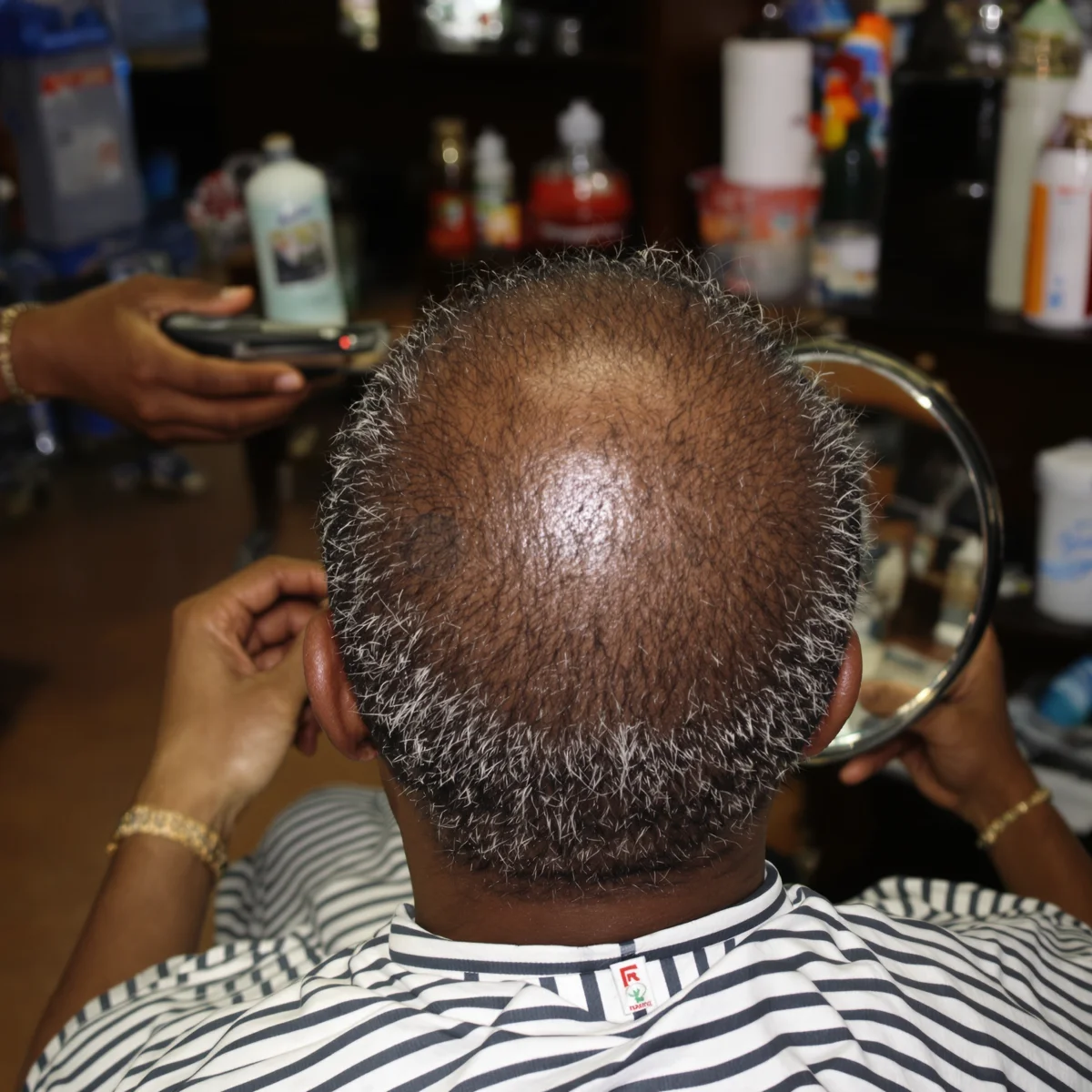
The first useful question in an international search for a hair transplant is whether a transplant addresses the kind of hair loss you have. A photograph of a thinning hairline cannot establish the cause. Pattern hair loss, inflammatory scalp disease, a temporary shedding episode, and hair loss related to medication or illness call for different conversations. Before comparing packages abroad, arrange an assessment with a qualified clinician who can examine your scalp and history. Bring a timeline of the change, information about relatives with hair loss, current medicines, and any itching, pain, redness, or abrupt shedding. Ask what diagnosis is being considered and what would change it. If the answer remains uncertain, ask whether further investigation is appropriate before surgery. A clinic that starts with a graft figure before discussing diagnosis has skipped a decision that affects everything downstream.
Start with the reason for seeking treatment
Write down what you hope surgery would change, then describe what you would still consider an acceptable result. This sounds basic, but it changes the first consultation. Someone hoping to fill a small recession and someone experiencing rapid diffuse thinning may need very different discussions. A clinician should ask about the pattern and duration of hair loss, family history, current medicines, underlying conditions, and previous treatment. A photograph alone cannot establish a diagnosis or show whether loss has stabilized.
Compare Plans Instead of Graft Promises
A quoted number of grafts can sound precise while concealing uncertainty. Ask how the estimate was reached, what area it covers, what the donor assessment showed, and whether the plan could change after an in-person examination. Clarify what is counted as a graft and whether the number is an estimate, a ceiling, or an obligation regardless of what the scalp supports. More grafts are not automatically a better result. Overuse of the donor area can limit future options and may affect its appearance. Request an explanation of distribution: which zones receive priority, what density is realistic, and what happens if the available grafts are fewer than expected. A plan should connect your goals with a medically defensible use of donor hair, not merely repeat the biggest number in a sales message.
Build a shortlist using questions you can verify
A website advertising hair transplant turkey services can be a starting point for finding a provider, but its pages are not a substitute for an individual consultation. Check that the named facility, clinical staff and proposed procedure are identifiable. Look for a clear consent process and a credible route for raising concerns. If a listing ranks clinics, inspect what the ranking measures and whether payment or sponsorship affects placement. Avoid treating the number of reviews or the adjective “best” as proof of clinical quality. Ask to see relevant examples under comparable lighting and with enough follow-up context, while recognizing that selected photographs cannot predict your result.
Build a shortlist from questions rather than rankings
For an initial orientation to the services being described, a provider’s hair transplant turkey page can be read alongside other clinic materials. Read any provider page as its own description and verify clinical claims in a consultation. Do not mistake a commercial page for an independent ranking or a personal medical assessment.
Work through travel as part of the care plan
Check entry requirements, travel documents, insurance exclusions, and airline rules for your own itinerary close to departure. A travel package may include an airport transfer and hotel without covering medical complications or changes to flights. If you have conditions or take medicines that could affect surgery, discuss them with the treating clinician and your local doctor before booking nonrefundable travel. Do not stop prescribed medication on the basis of a travel coordinator's message.
Understand consent and uncertainty
Ask for the pre-operative instructions in advance. They may cover medicines, smoking, alcohol, testing, and practical preparation; follow the treating clinician's individualized guidance rather than a generic online checklist. If you have a medical condition or take anticoagulants or other relevant drugs, disclose that history to the team and your usual clinician. Never independently stop a prescribed medicine for the sake of a travel schedule.
Use a decision sheet before you pay
Give yourself permission to choose no procedure for now. Reasons to pause may include an unclear diagnosis, an unstable pattern of loss, conflicting advice, a plan that uses donor hair without explaining future needs, or inadequate arrangements for follow-up. You can seek another clinical opinion and revisit the decision once the unanswered questions have been addressed. The aim of research is to make the consultation more precise and the decision more informed. A good final question is simple: can you explain, in your own words, what is planned, why, who will do it, what may go wrong, and what will happen when you are back home?