A First Research Itinerary for Hair Transplant Travel to Turkey — Build a shortlist using questions you can verify and Build a follow-up path before making a
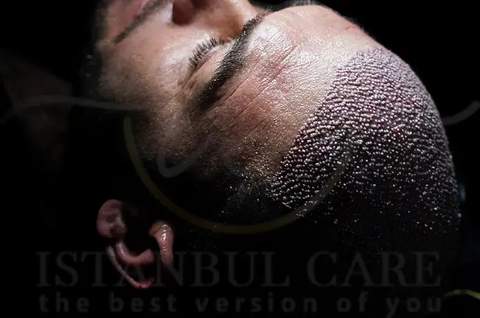
A search for a procedure abroad often begins with photographs, package descriptions, and a price that seems easier to understand than the medical decision behind it. The order matters. Before comparing destinations, establish whether surgery is an appropriate response to your particular pattern of hair loss. Hair loss can have different causes, and a transplant redistributes existing follicles rather than creating a new supply. It cannot by itself stop continuing loss in untreated areas. A qualified clinician who can examine your history and scalp can help identify the cause, discuss alternatives, and explain whether the donor area is suitable. A travel itinerary should come after that conversation.
Learn what the procedure can and cannot do
Ask what problem the proposed procedure is supposed to solve. Is the goal to frame a receding hairline, improve a crown, soften a scar, or address another concern? Those objectives can call for different discussions about coverage, donor use, and the appearance of density. A plan should identify its assumptions. If a clinic estimates a graft count from photographs, ask whether that estimate can change after an in-person examination and what would happen if donor capacity is lower than expected. An estimate is a planning tool, not a promise of final growth.
Build a shortlist using questions you can verify
A website advertising hair transplant turkey services can be a starting point for finding a provider, but its pages are not a substitute for an individual consultation. Check that the named facility, clinical staff and proposed procedure are identifiable. Look for a clear consent process and a credible route for raising concerns. If a listing ranks clinics, inspect what the ranking measures and whether payment or sponsorship affects placement. Avoid treating the number of reviews or the adjective “best” as proof of clinical quality. Ask to see relevant examples under comparable lighting and with enough follow-up context, while recognizing that selected photographs cannot predict your result.
Plan for travel as part of care
International treatment is not finished when you leave the clinic. Work backward from recovery and follow-up needs. Ask how many days you must be available locally, what happens if the procedure is postponed after arrival, and when flying is appropriate for your particular circumstances. Confirm who provides post-operative instructions in a language you understand, which contact route works outside office hours, and whether photographs can be reviewed remotely. If you develop a concern after returning home, you need to know who triages it and when you should seek in-person local care.
Map the period after you return
Results take time, and the early appearance is not a reliable verdict on the final outcome. Ask the clinician for a realistic discussion of the usual stages of healing and growth as they apply to you, including what might be normal and what is not. Record the timing of planned check-ins and keep your own dated photographs in similar light. Ask whether medical management of ongoing hair loss should be discussed with an appropriate professional. Transplanted and existing hair are part of the same long-term appearance; a one-time procedure may not be a complete plan for changes that continue over years.
Build a follow-up path before making a deposit
Finally, compare your shortlist against the same questions. Can you identify the responsible clinician? Is the proposed plan individualized and willing to change after examination? Are the limits and risks explained? Are costs and travel contingencies written down? Is there a realistic route to follow-up? If an essential answer is missing, postpone the deposit until it is clear. A good research itinerary does not end with a slogan or a ranking. It ends with a documented choice that fits your medical needs and your ability to manage care across borders.
Use a decision sheet before you pay
Put the options on one page with columns for clinical assessment, proposed goals, donor-area reasoning, personnel and responsibilities, risks explained, aftercare, total travel burden and the terms of payment. Leave an explicit space for “unknown.” Unknowns should generate follow-up questions, not optimistic guesses. If clinics recommend sharply different graft counts, ask each to explain the underlying assumptions rather than selecting the largest number. If one estimate is much cheaper, compare the included clinical work and follow-up before assuming that the services are equivalent. Keep a copy of the quotation and the version of the plan you agreed to.